The Fastest-Pace Myth: Why a Walk Need Not Be a Distance Test
A walk need not be a distance test: use attention, comfort and small discoveries to judge a day out without chasing pace or mileage.
You can finish a walk feeling hurried even when the path was lovely. The fastest-pace myth turns a walk into a distance test: keep moving, cover more ground, and count the outing as successful only when the numbers look impressive. But a good walk can be measured in other ways. You might notice the smell of crushed pine needles, enjoy a quiet bench, or arrive home with enough energy to make dinner.
Try these eight measures instead. They do not replace distance or time when those details matter for a particular plan. They simply give you more useful ways to decide whether the walk suited you.
1. Did you notice something you would have missed at speed?
Attention is a real part of walking, not a distraction from it. A patch of pale lichen on a fence post, the change from gravel to packed earth, or a line of clouds reflected in a pond can make a familiar path feel newly specific.
You do not have to stop at every interesting detail. Let your gaze wander while you walk, then pause when something asks for a closer look. A few unhurried moments can be more memorable than another stretch covered with your eyes fixed on the trail ahead.
One simple question helps: what did I notice today that I would not have noticed while thinking about my pace? The answer can be modest. It might be a bird call you cannot name or the way sunlight reaches only one side of a hedgerow.
2. Did the pace fit the people who came along?
A shared walk works best when nobody has to pretend to be comfortable. A child may want to inspect every puddle. A friend recovering from a busy week may prefer a quiet route and frequent pauses. Neither is a problem to overcome; each changes what makes the outing satisfying.
Before setting off, agree on a loose rhythm. That could mean walking together, letting the quicker person turn back at a clear junction, or choosing a loop where nobody has to keep up with someone else’s ambition. Keep the conversation practical and kind: “Would you like to stop here?” is more useful than “We’re falling behind.”
Say you and a friend planned a woodland loop, but your friend arrives tired after a poor night’s sleep. You might choose the shorter signed path at the entrance, pause at the stream, and head back while both of you still feel comfortable. The visible result is a pleasant outing that leaves room for the rest of the day, not a route completed at someone’s expense.
3. Did the walk leave you with a good kind of tired?
There is a difference between feeling pleasantly used and feeling wrung out. A gentle walk can be the right choice on a day when you have already been on your feet. A steeper path may suit you when you have time, energy and a reason to seek more effort.
Notice how your legs, shoulders and attention feel near the end. Are you still comfortable enough to look around? Can you enjoy the return journey, or are you focused only on getting it over with? Those clues help you choose a fitting outing next time.
Rest is not a failure of will. It is part of a walk’s design, especially when the route is shared or the ground is uneven. If pain, dizziness or unusual shortness of breath occurs, stop and respond sensibly rather than treating discomfort as a challenge to push through; seek qualified medical advice when it matters.
4. Did you make room for pauses without turning them into delays?
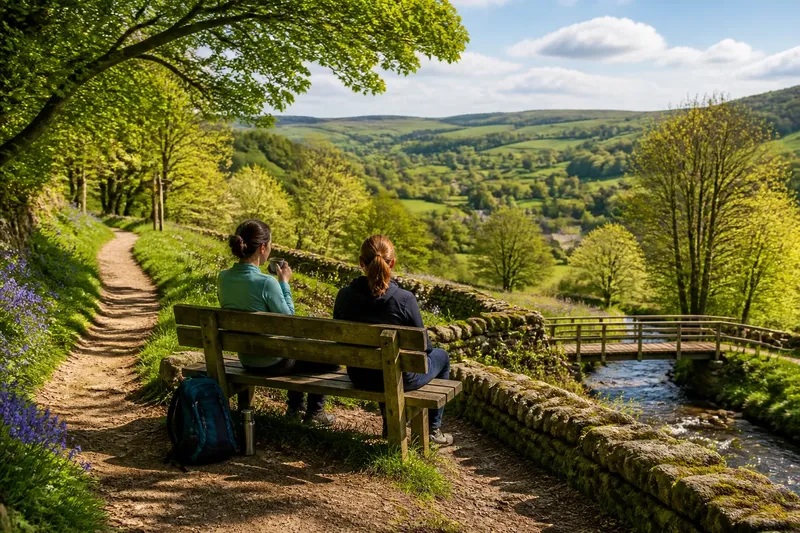
A pause can be the point of a walk. Sit on a low wall, drink from your flask, watch a stream pass beneath a footbridge, or let a conversation find its own direction. These moments are not wasted time. They often make the route feel like a place rather than a line to finish.
It can help to choose a natural pause before setting out: a viewpoint, a sheltered picnic table, or a spot where the path meets the water. That gives the walk a gentle shape without making every stop feel like a checkpoint. If the place is crowded or exposed, keep the pause brief or find a quieter place nearby.
What is not worth the effort? Forcing yourself to record every pause, landmark or minute in a notebook just to prove you were attentive. A short note or photograph can be useful if you want to remember a place, but the record should serve the experience, not supervise it.
5. Did the route offer a moment you wanted to keep?
Enjoyment is not always dramatic. It may be the crunch of frost underfoot, a row of allotments beyond a lane, or the warmth of a bakery at the end of a town walk. You need not reach a famous viewpoint or complete a celebrated trail to have a detail worth carrying home.
Afterward, name one moment you would gladly experience again. If nothing comes to mind, that does not make the walk pointless; it may simply tell you that the route, company or timing was not quite right for that day. Let the answer shape your next choice rather than turn into a verdict on your ability.
Keeping a small walking note can reveal what you enjoy: open fields, wooded paths, old stone bridges, or a café near the finish. Write down the place and the detail, not a score. That makes the note useful when you want to choose a similar outing later.
6. Did the walk fit into the day you actually had?
A route is part of a day, not the whole day by default. You may want time to catch a bus, collect a child, prepare a meal or simply sit at home without rushing. A modest walk that fits comfortably can be a better choice than an ambitious plan that leaves every other task pressing at its edges.
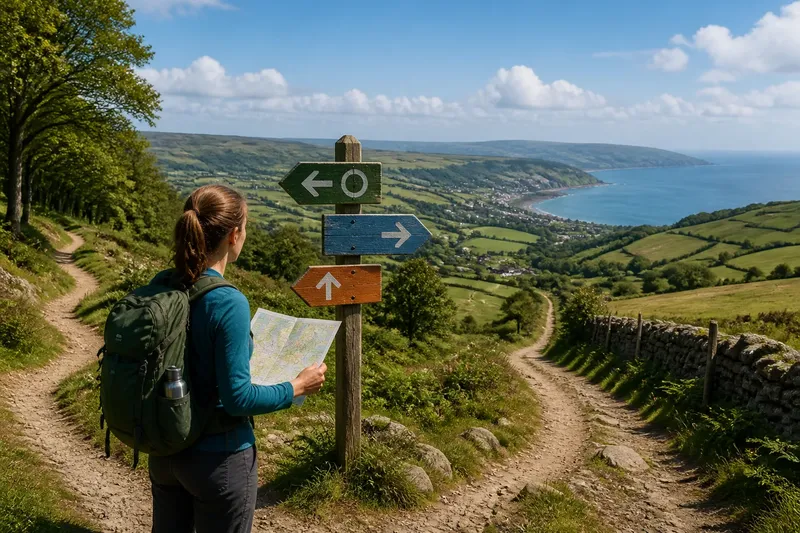
Think about the whole outing, including getting to the start and returning from it. A short local path may leave more room for a relaxed lunch than a longer route that requires complicated transport. If the weather turns or the path feels busier than expected, changing the plan can be good judgment, not a spoiled walk.
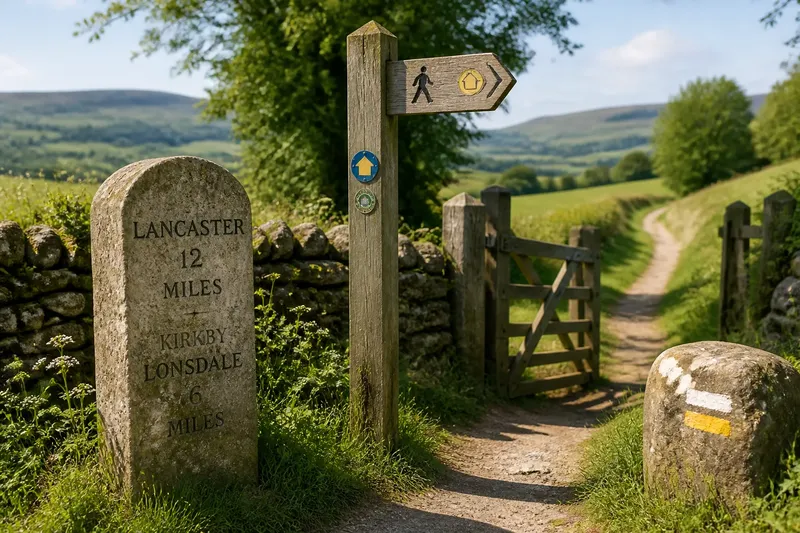
For safety, consider daylight, weather, footing, access and the needs of your group before choosing a route. Follow local signs and any relevant land-manager guidance. The right option depends on the place and conditions, so adapt your plan rather than relying on a general rule.
7. Did you enjoy how the walk changed your attention?
Walking can loosen the grip of a crowded day without requiring you to arrive at a particular mood. You might begin thinking about errands and later notice the rhythm of your steps. Or your mind may keep returning to the same concern. Both are ordinary experiences; neither needs to be treated as a score.
Instead of demanding that a walk clear your head, give attention a simple place to land. Notice the feel of the ground, the sound of leaves moving, or the temperature where the path leaves the shade. When your thoughts wander, let them wander. Then come back to what is around you if that feels welcome.
This measure is personal, so compare a walk with your own expectations rather than another person’s account. Some people like quiet; others enjoy a lively route with conversation and passing cyclists. The useful question is whether the outing gave you the kind of attention you wanted.
8. Did you finish with a reason to walk again?
A satisfying walk often leaves an easy next idea: return in spring, bring a friend to the riverside path, or try the lane beyond the old mill. That small sense of possibility can matter more than reaching a particular distance. It makes walking feel available, not like a test you must keep passing.
Keep the next plan low-pressure. Choose a place you can reach, a route that suits your energy, and one thing you would enjoy noticing. If you are deciding what counts as a successful walk, use that as your measure: did the outing make another walk feel appealing?
What should count when distance is not the goal?
Should I stop tracking my pace?
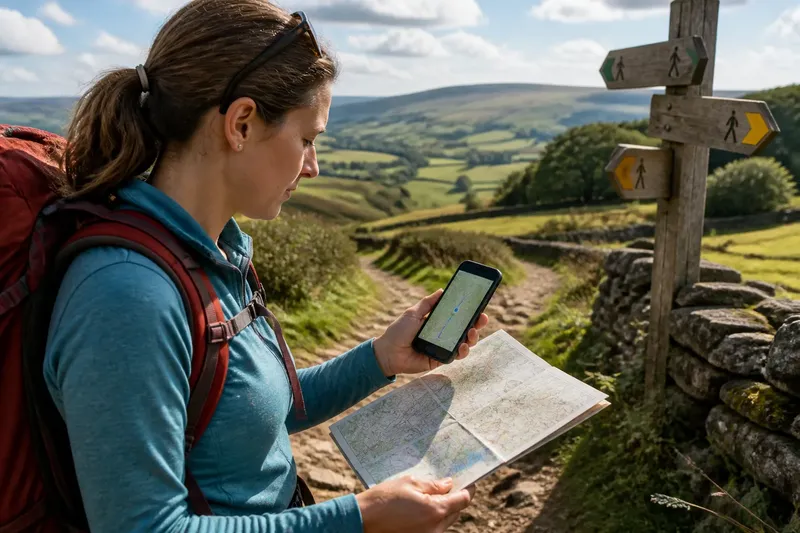
Not necessarily. A watch or phone can help with timing, navigation or personal routine, but it does not have to judge the outing. Try leaving the display hidden for part of a familiar walk and see whether that feels more restful.
How can I tell if a walk was long enough?
Ask whether it suited your available time, energy and reason for going out. If you wanted a brief change of scene and got one, the walk did its job without meeting a distance target.
What if my walking companion wants to go faster?
Talk before the walk about what each of you wants, then choose a route or arrangement that respects both preferences. You might walk together at an agreed pace or choose a clear place to meet again, provided the route and local conditions make that sensible.
Can a short walk still feel worthwhile?
Yes. A short loop around a park can offer fresh air, a useful pause and a detail you remember afterward. Its value comes from how it fits the day, not from how far it extends.
The fastest-pace myth makes walking sound like a test with one answer. A more generous measure is whether the route, company and rhythm suited you. Next time, let distance be one piece of information among several, and leave space for the detail that makes you want to keep walking.